Jamunapari
Also known as: Jamnapari, Ram Sagar
The tallest and most majestic Indian goat, often called the "queen of Indian goats". It was exported to develop the Anglo-Nubian breed and is used worldwide to improve dairy goats.
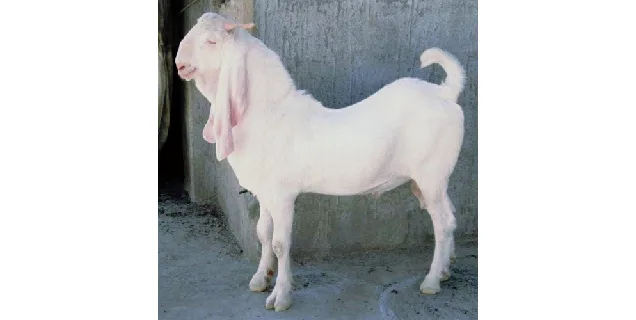 Jamunapari
Physical Characteristics
- Colour: white with light brown or tan patches on the neck and head
- Highly convex "Roman nose" with a prominent tuft of hair on the poll
- Very long, flat, pendulous ears — 25–30 cm, folded and drooping
- Tall — up to 90 cm at the withers; 45 kg (female), 65 kg (male)
Benefits for Farmers
Highest milk yield among Indian goat breeds
Large body frame gives excellent meat and breeding value
Bucks command very high prices for breeding and export
Improves the milk yield of local goats through crossbreeding
Improve your herd with Jamunapari genetics
Artificial insemination with proven Jamunapari semen is the fastest and cheapest way to upgrade a local herd — no bull to maintain, no disease risk, and a measurable jump in yield within one generation. Our AI training covers semen handling, heat detection, insemination technique and follow-up.
Breed Profile
- Species
- Goat
- Utility
- Milk & Meat
- Home Tract
- Yamuna–Chambal ravines — Etawah, Agra, Bhind, Morena
- Found In
- Uttar Pradesh Madhya Pradesh
- Yield
- Milk: 2.0–2.5 kg per day; lactation 200–280 kg
Other Goat Breeds
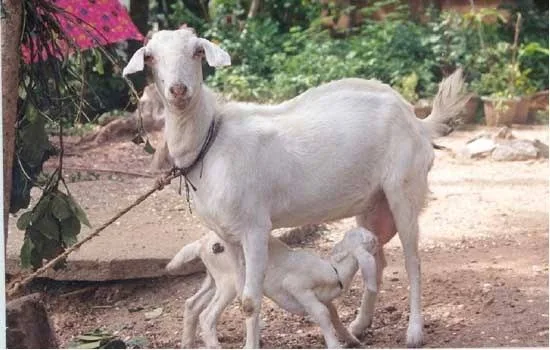 Malabari
Meat & Milk
Malabari
Meat & Milk
Malabari
Kerala
A prolific dual-purpose goat of the Kerala coast, carrying some Arab bloodline from historic Malabar trade. It handles humid, high-rainfall conditions well.
Milk: ~1 kg per day; frequent twins and triplets
View Details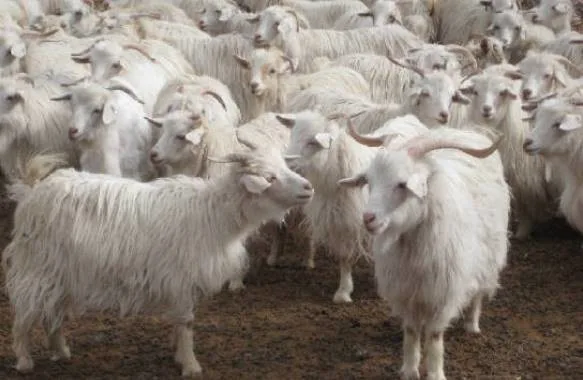 Pashmina & Meat
Changthangi
Ladakh, Jammu & Kashmir
The source of the world-famous Pashmina (cashmere) used in Kashmiri shawls. Reared by Changpa nomads at extreme altitude in temperatures down to −40°C.
Pashmina: 200–300 g per year (fibre 12–15 microns)
View Details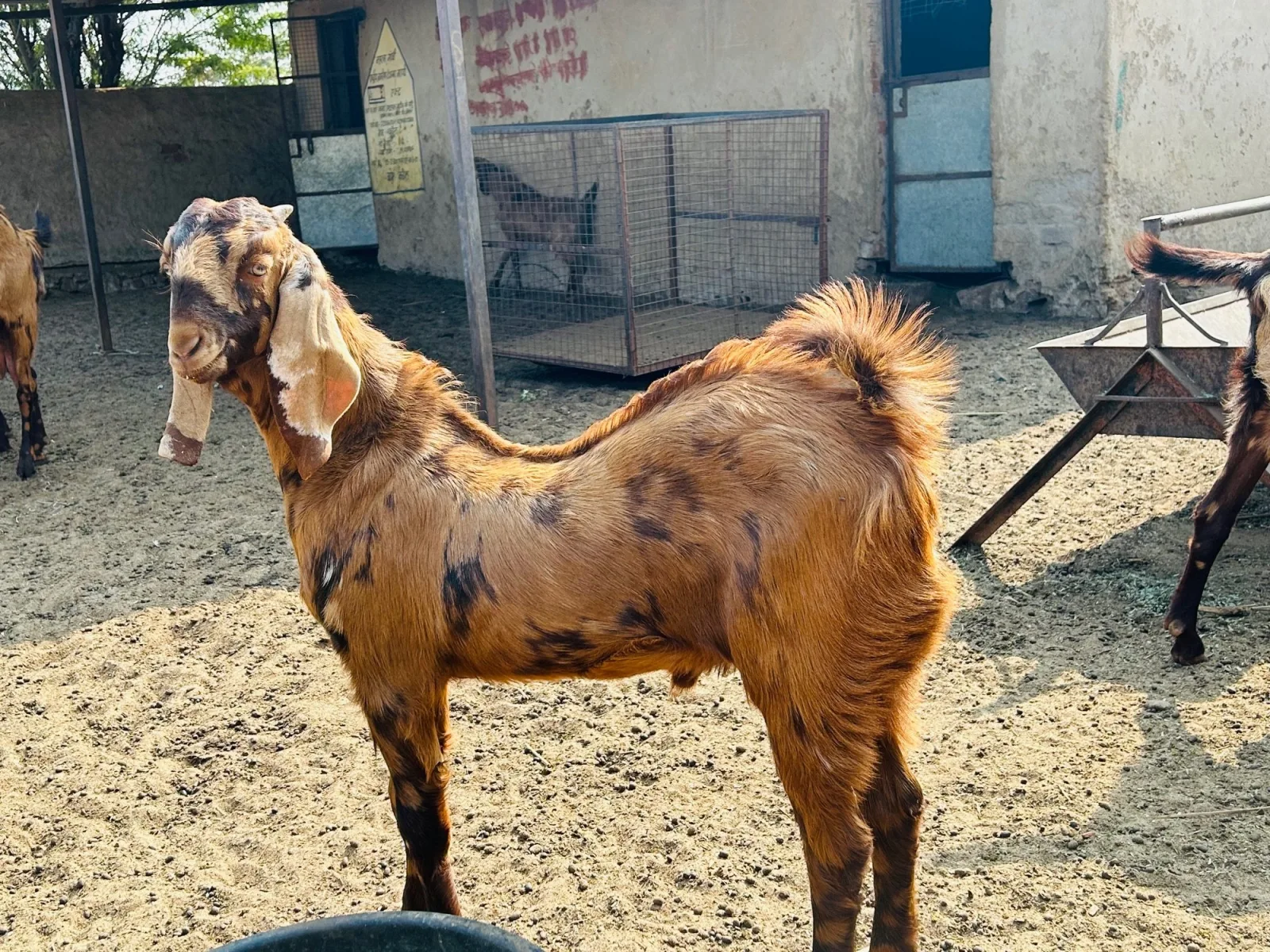 Sirohi
Meat & Milk
Sirohi
Meat & Milk
Sirohi
Rajasthan, Gujarat
The most popular commercial goat breed in India today. Sirohi adapts to almost every agro-climatic zone, which is why it dominates new goat farms nationwide.
Milk: 0.8–1.0 kg per day; kids twice in 15–18 months
View DetailsNeed course guidance?
Our team is ready to help you choose the right training program.