Malabari
Also known as: Tellicherry
A prolific dual-purpose goat of the Kerala coast, carrying some Arab bloodline from historic Malabar trade. It handles humid, high-rainfall conditions well.
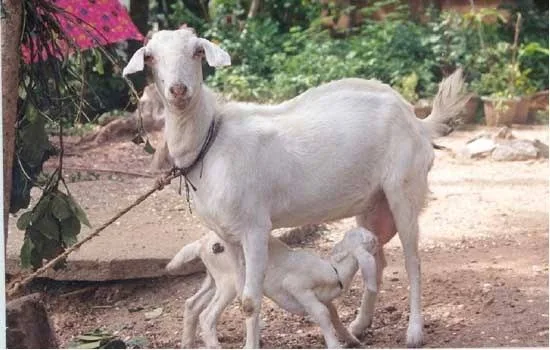 Malabari
Physical Characteristics
- Colour: highly variable — white, black, brown or a mix
- Medium body — 30 kg (female), 40 kg (male)
- Small to medium ears, directed outward and downward
- Both horned and polled animals occur; short glossy hair
Benefits for Farmers
Highly prolific with a strong twinning and tripling rate
Thrives in hot, humid, high-rainfall coastal climates
Browses well on tree leaves and plantation undergrowth
Dual income from both chevon and household milk
Improve your herd with Malabari genetics
Artificial insemination with proven Malabari semen is the fastest and cheapest way to upgrade a local herd — no bull to maintain, no disease risk, and a measurable jump in yield within one generation. Our AI training covers semen handling, heat detection, insemination technique and follow-up.
Breed Profile
- Species
- Goat
- Utility
- Meat & Milk
- Home Tract
- Kozhikode, Kannur, Malappuram and Thrissur
- Found In
- Kerala
- Yield
- Milk: ~1 kg per day; frequent twins and triplets
Other Goat Breeds
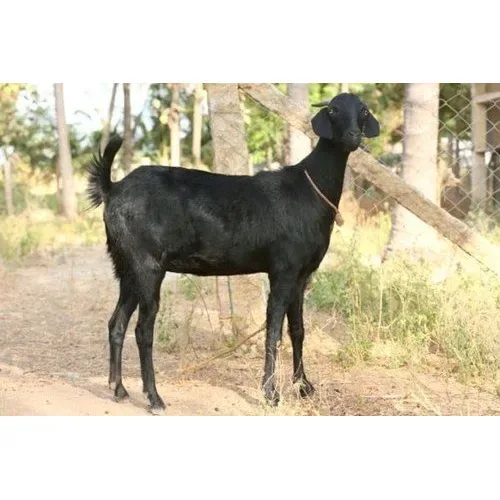 Salem Black
Meat & Skin
Salem Black
Meat & Skin
Salem Black
Tamil Nadu
A tall, entirely black meat goat of western Tamil Nadu, valued for a high dressing percentage and top-quality skin.
Meat-focused; high dressing percentage
View Details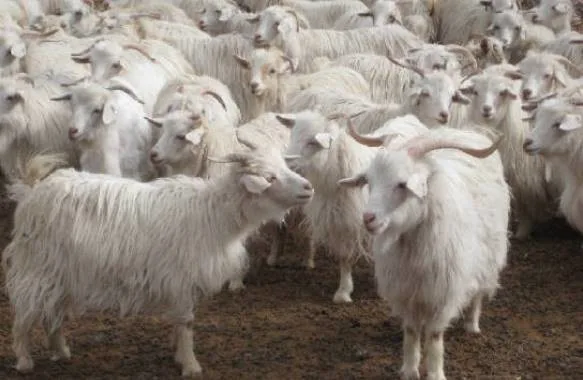 Pashmina & Meat
Changthangi
Ladakh, Jammu & Kashmir
The source of the world-famous Pashmina (cashmere) used in Kashmiri shawls. Reared by Changpa nomads at extreme altitude in temperatures down to −40°C.
Pashmina: 200–300 g per year (fibre 12–15 microns)
View Details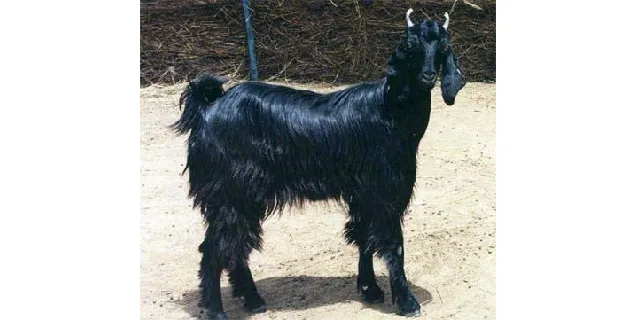 Marwari
Meat & Hair
Marwari
Meat & Hair
Marwari
Rajasthan, Gujarat +1
A jet-black desert goat with long, flowing hair. It is one of the toughest breeds in India, browsing on desert thorn scrub where nothing else survives.
Milk: ~0.7 kg per day; hair: 0.8–1.0 kg per year
View DetailsNeed course guidance?
Our team is ready to help you choose the right training program.