Changthangi
Also known as: Pashmina Goat, Kashmiri
The source of the world-famous Pashmina (cashmere) used in Kashmiri shawls. Reared by Changpa nomads at extreme altitude in temperatures down to −40°C.
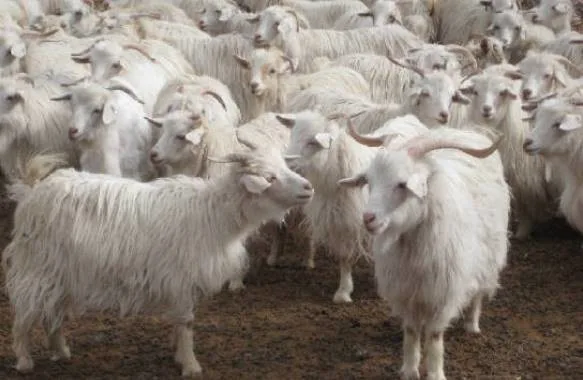
Physical Characteristics
- Colour: white, grey, black or brown with a double coat
- Soft pashmina undercoat beneath a coarse guard hair layer
- Large, backward-curving horns in both sexes
- Medium body — 20 kg (female), 25 kg (male)
Benefits for Farmers
Produces the world's finest natural fibre — Pashmina cashmere
Fibre commands an extremely high price per gram
Survives −40°C at 4,000 m+ where no other livestock can
Sustains the entire Kashmiri shawl industry and Changpa livelihoods
Improve your herd with Changthangi genetics
Artificial insemination with proven Changthangi semen is the fastest and cheapest way to upgrade a local herd — no bull to maintain, no disease risk, and a measurable jump in yield within one generation. Our AI training covers semen handling, heat detection, insemination technique and follow-up.
Breed Profile
- Species
- Goat
- Utility
- Pashmina & Meat
- Home Tract
- Changthang plateau of Ladakh, above 4,000 m
- Found In
- Ladakh Jammu & Kashmir
- Yield
- Pashmina: 200–300 g per year (fibre 12–15 microns)
Other Goat Breeds
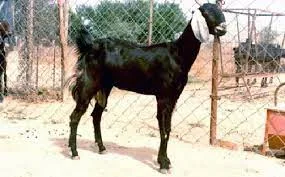 Jakhrana
Milk
Jakhrana
Milk
Jakhrana
Rajasthan
A high-yielding dairy goat resembling a large Beetal, restricted to a small tract around Alwar. It is one of the top milk producers among Indian goats.
Milk: 2.0–2.5 kg per day; lactation 150–200 kg
View Details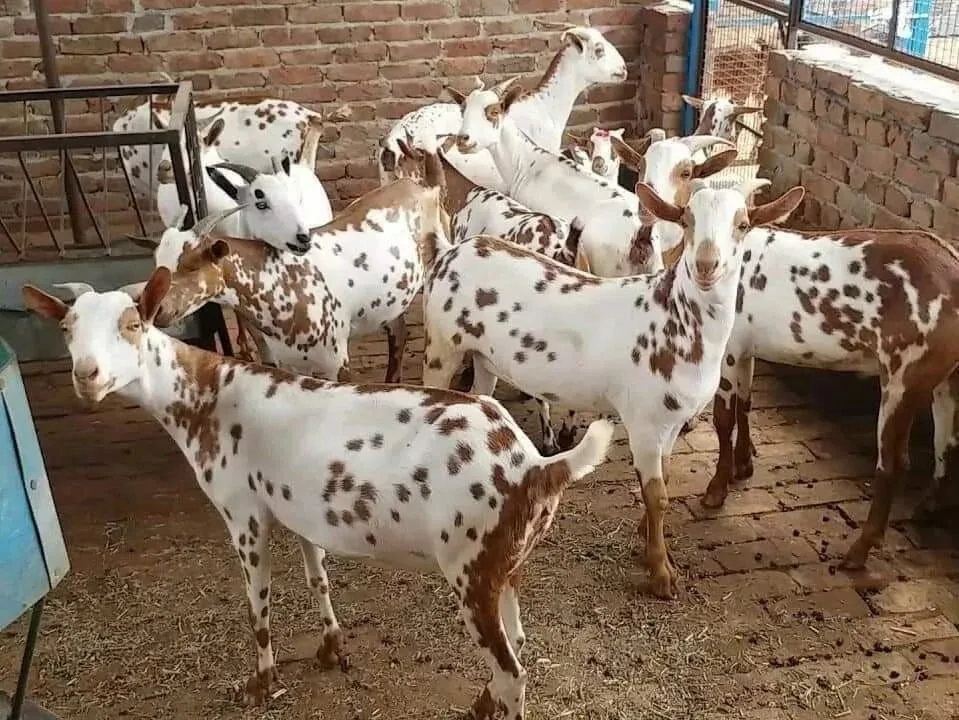 Barbari
Meat & Milk
Barbari
Meat & Milk
Barbari
Uttar Pradesh, Rajasthan +1
A small, prolific, deer-like goat perfectly suited to intensive stall feeding in and around towns. It is highly prized for tender chevon.
Milk: ~1 kg per day; two kiddings in 12–15 months
View Details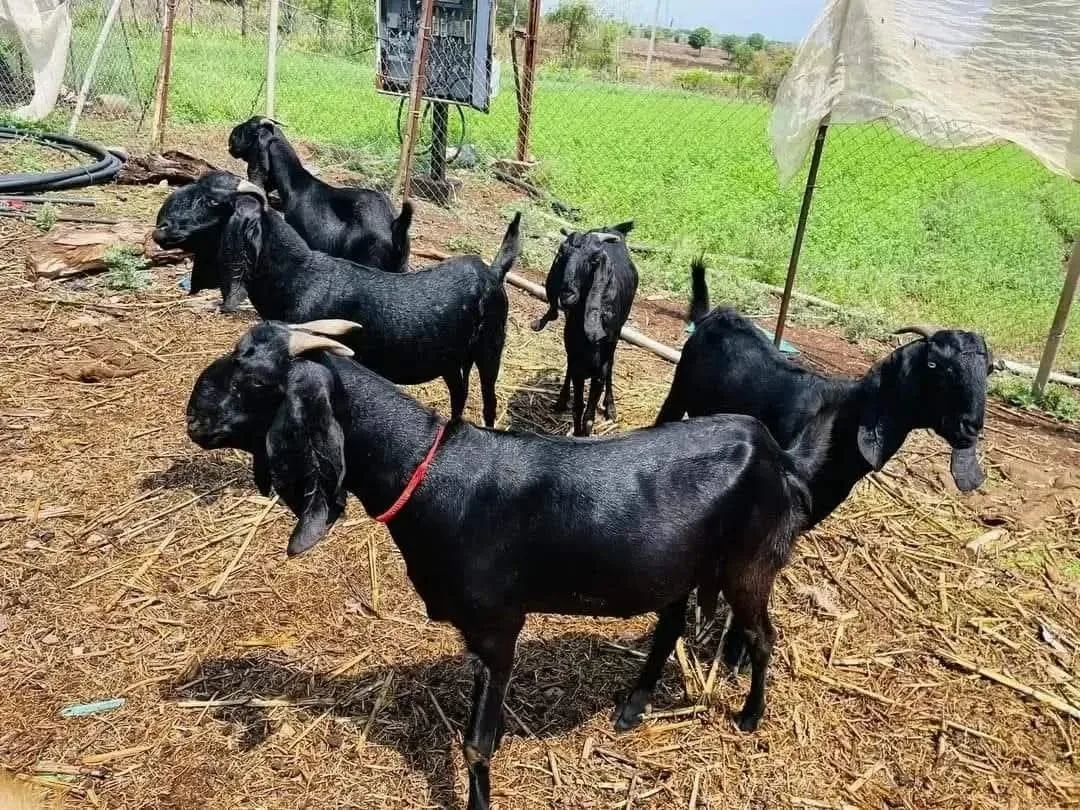 Milk & Meat
Beetal
Punjab, Haryana
A large, handsome dual-purpose goat of Punjab that adapts exceptionally well to stall feeding, making it the top choice for commercial semi-intensive farms.
Milk: 1.5–2.0 kg per day; lactation 150–200 kg
View DetailsNeed course guidance?
Our team is ready to help you choose the right training program.