Sirohi
Also known as: Devgarhi, Parbatsari
The most popular commercial goat breed in India today. Sirohi adapts to almost every agro-climatic zone, which is why it dominates new goat farms nationwide.
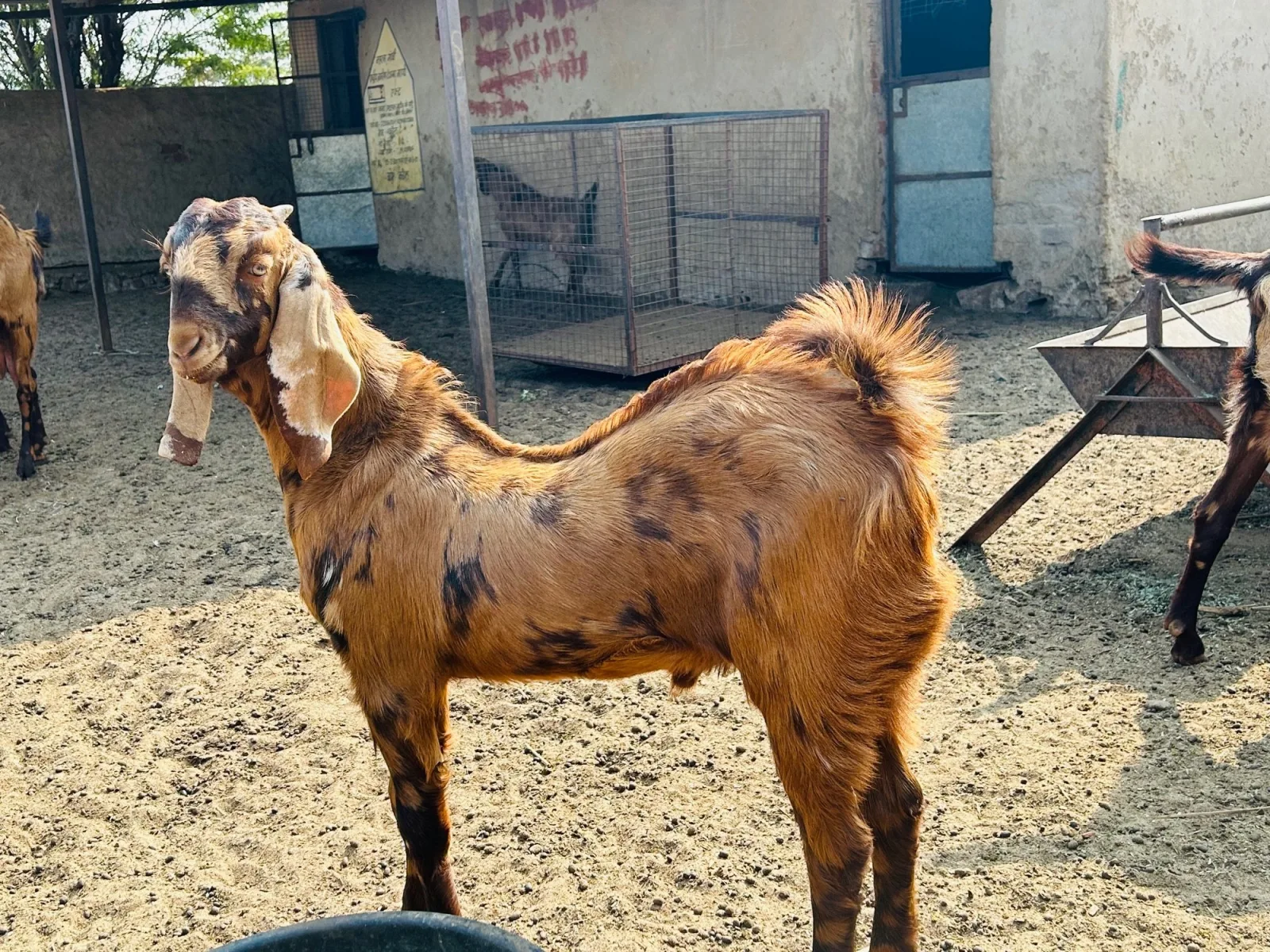 Sirohi
Physical Characteristics
- Colour: predominantly brown with light or dark brown patches
- Medium body — 25–30 kg (female), 40–50 kg (male)
- Flat, leaf-like drooping ears of medium length
- Small horns curving upward and backward; short, coarse hair
Benefits for Farmers
Adapts to nearly any climate — proven from Rajasthan to Bihar to Kerala
Fast weight gain makes it the leading commercial meat breed
Very hardy with strong disease resistance and low mortality
Excellent under both grazing and stall-fed management
High and stable market demand for breeding stock
Improve your herd with Sirohi genetics
Artificial insemination with proven Sirohi semen is the fastest and cheapest way to upgrade a local herd — no bull to maintain, no disease risk, and a measurable jump in yield within one generation. Our AI training covers semen handling, heat detection, insemination technique and follow-up.
Breed Profile
- Species
- Goat
- Utility
- Meat & Milk
- Home Tract
- Sirohi, Ajmer, Pali, Udaipur and the adjoining Gujarat border
- Found In
- Rajasthan Gujarat
- Yield
- Milk: 0.8–1.0 kg per day; kids twice in 15–18 months
Other Goat Breeds
 Marwari
Meat & Hair
Marwari
Meat & Hair
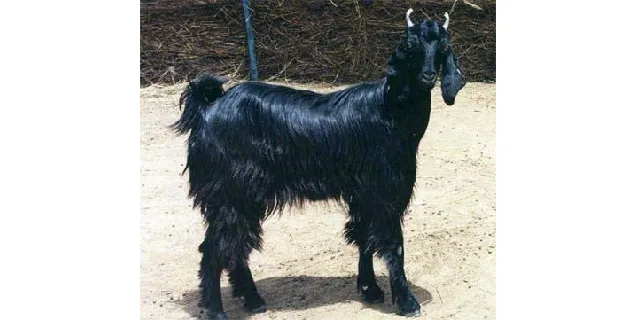
Marwari
Rajasthan, Gujarat +1
A jet-black desert goat with long, flowing hair. It is one of the toughest breeds in India, browsing on desert thorn scrub where nothing else survives.
Milk: ~0.7 kg per day; hair: 0.8–1.0 kg per year
View Details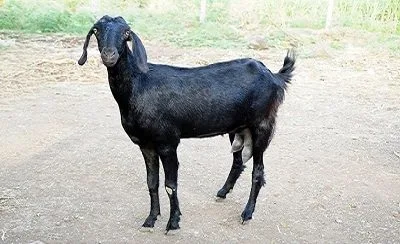 Osmanabadi
Meat
Osmanabadi
Meat
Osmanabadi
Maharashtra
A tall, black meat goat of the Marathwada region with a fast growth rate and excellent adaptability to drought-prone areas.
Milk: 0.5–1.5 kg per day; ~50% twinning rate
View Details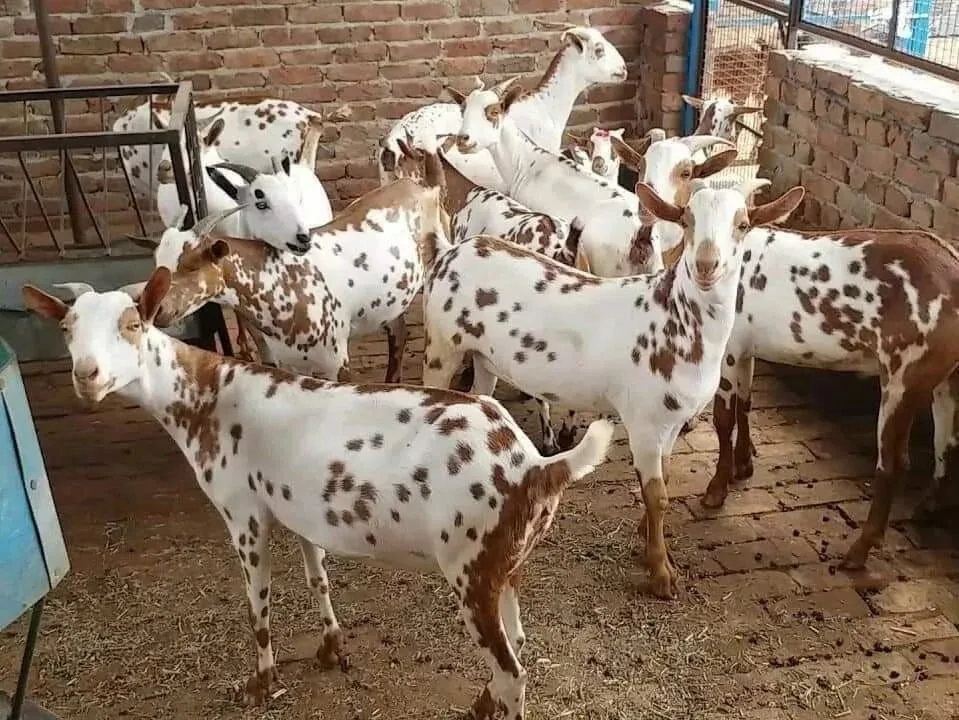 Barbari
Meat & Milk
Barbari
Meat & Milk
Barbari
Uttar Pradesh, Rajasthan +1
A small, prolific, deer-like goat perfectly suited to intensive stall feeding in and around towns. It is highly prized for tender chevon.
Milk: ~1 kg per day; two kiddings in 12–15 months
View DetailsNeed course guidance?
Our team is ready to help you choose the right training program.