Black Bengal
Also known as: Bengal, Teddy
The most prolific goat of eastern India and the pride of Bihar. Its meat quality and skin are rated the best in the world, and it breeds twice a year with multiple kids.
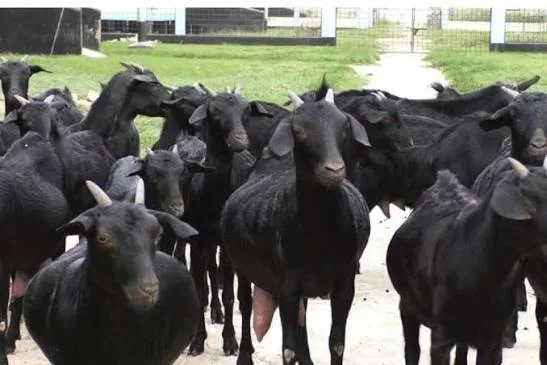 Black Bengal
Physical Characteristics
- Colour: predominantly black; also brown, white or grey
- Small, dwarf body — 15–20 kg adult with short legs
- Small, horizontal ears and short, pointed backward horns
- Straight face with a compact, deep body
Benefits for Farmers
Exceptionally prolific — twins and triplets are the norm
World's finest goat skin — high export demand for leather
Chevon rated as the most tender and flavourful in India
Survives on kitchen waste, tree leaves and roadside grazing
Ideal first livestock for landless Bihar families — very low capital
Improve your herd with Black Bengal genetics
Artificial insemination with proven Black Bengal semen is the fastest and cheapest way to upgrade a local herd — no bull to maintain, no disease risk, and a measurable jump in yield within one generation. Our AI training covers semen handling, heat detection, insemination technique and follow-up.
Breed Profile
- Species
- Goat
- Utility
- Meat & Skin
- Home Tract
- Across Bihar, West Bengal, Jharkhand and Odisha
- Found In
- Bihar West Bengal Jharkhand Odisha
- Yield
- Milk: 0.4–0.6 kg per day; 2–4 kids per kidding, twice a year
Other Goat Breeds
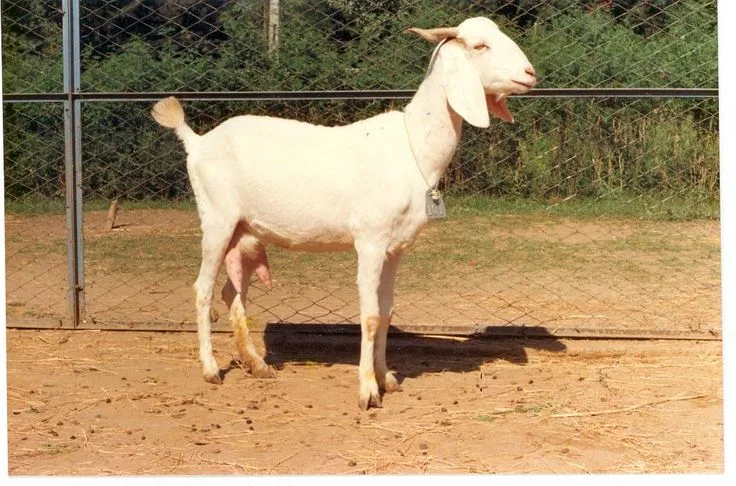 Surti
Milk
Surti
Milk
Surti
Gujarat
A compact, pure white dairy goat kept almost entirely under stall feeding in the towns of south Gujarat, valued for steady milk on a small frame.
Milk: 1.5–2.0 kg per day
View Details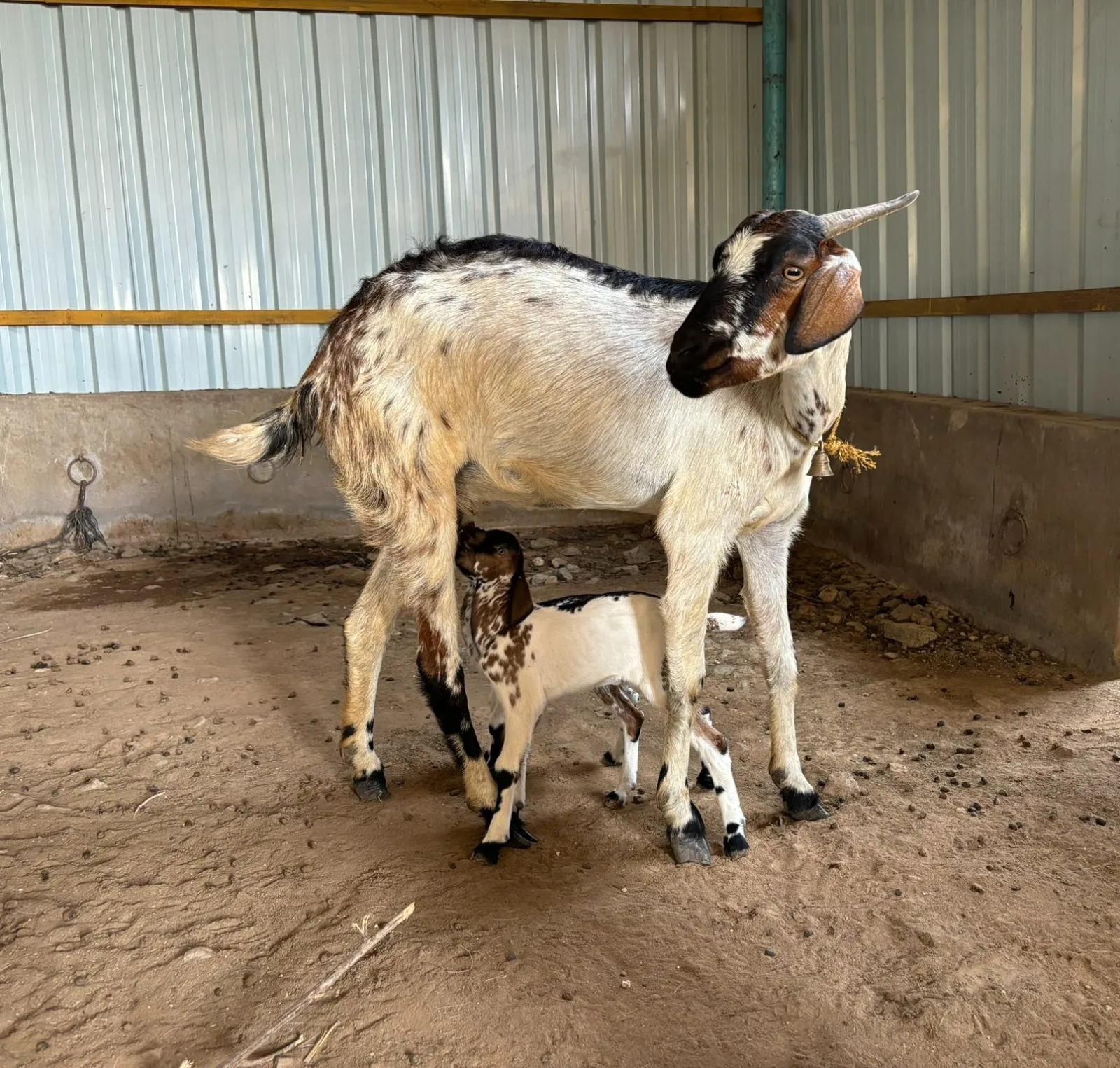 Meat
Meat
Kanni Adu
Tamil Nadu
A tall, elegant, black-and-white meat goat of southern Tamil Nadu, known for a long lean frame and excellent growth on browse.
Meat-focused; kids grow fast to market weight
View Details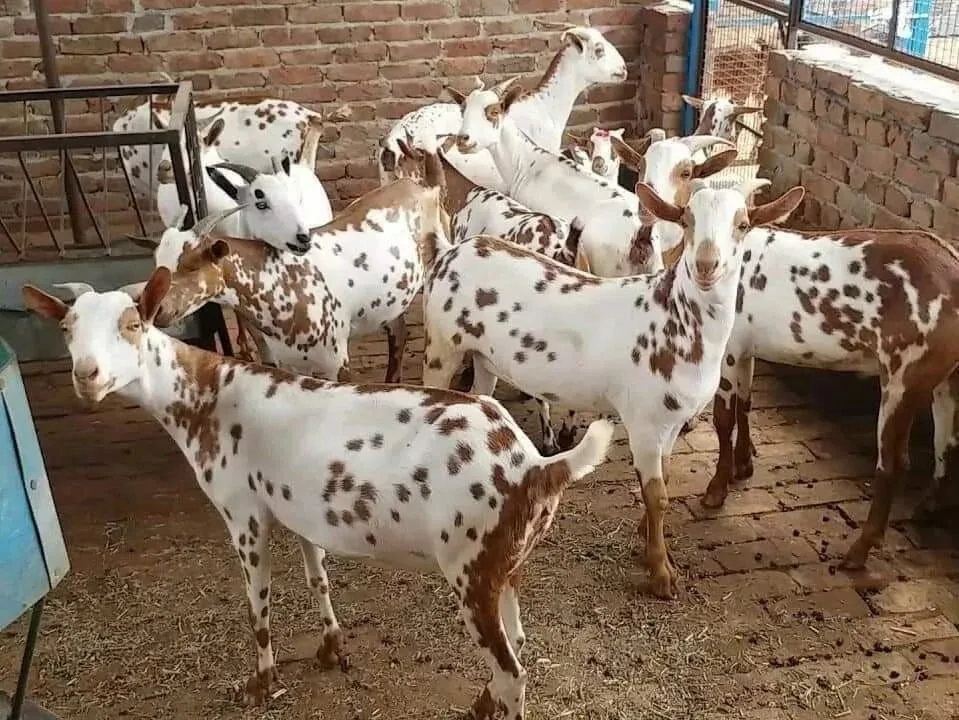 Barbari
Meat & Milk
Barbari
Meat & Milk
Barbari
Uttar Pradesh, Rajasthan +1
A small, prolific, deer-like goat perfectly suited to intensive stall feeding in and around towns. It is highly prized for tender chevon.
Milk: ~1 kg per day; two kiddings in 12–15 months
View DetailsNeed course guidance?
Our team is ready to help you choose the right training program.