Chottanagpuri
A small, extremely hardy sheep of the Chotanagpur plateau, maintained by tribal households on forest and wasteland grazing.
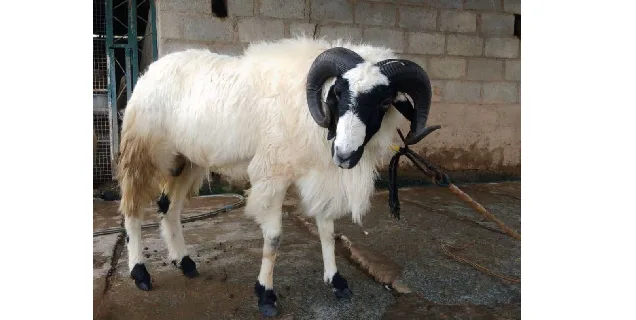 Chottanagpuri
Physical Characteristics
- Colour: light grey, brown or white with a mixed coat
- Small body — 15 kg (female), 18 kg (male)
- Small ears and a short tail; both sexes usually polled
- Very coarse, short, hairy fleece
Benefits for Farmers
Extremely low input — survives on forest and wasteland grazing
Very high disease resistance in humid plateau conditions
Sure income source for tribal and landless families
Manure improves the fertility of poor upland soils
Improve your herd with Chottanagpuri genetics
Artificial insemination with proven Chottanagpuri semen is the fastest and cheapest way to upgrade a local herd — no bull to maintain, no disease risk, and a measurable jump in yield within one generation. Our AI training covers semen handling, heat detection, insemination technique and follow-up.
Breed Profile
- Species
- Sheep
- Utility
- Mutton
- Home Tract
- Ranchi, Palamu, Hazaribagh and the adjoining districts of south Bihar
- Found In
- Jharkhand Bihar West Bengal
- Yield
- Wool: ~0.4 kg per year (very coarse); kept for mutton
Other Sheep Breeds
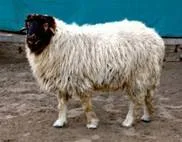 Chokla
Wool
Chokla
Wool
Chokla
Rajasthan
Widely regarded as producing the best carpet wool in the country, with a fine, dense fleece and a distinctive bare reddish-brown face.
Wool: 1.0–1.5 kg per year; fibre 25–30 microns
View Details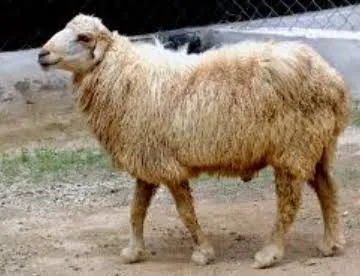 Marwari
Wool & Mutton
Marwari
Wool & Mutton
Marwari
Rajasthan, Gujarat
The most numerous sheep breed of Rajasthan, recognised by its black face. It is a migratory breed that survives the harshest desert conditions.
Wool: 1.0–1.5 kg per year; carpet grade
View Details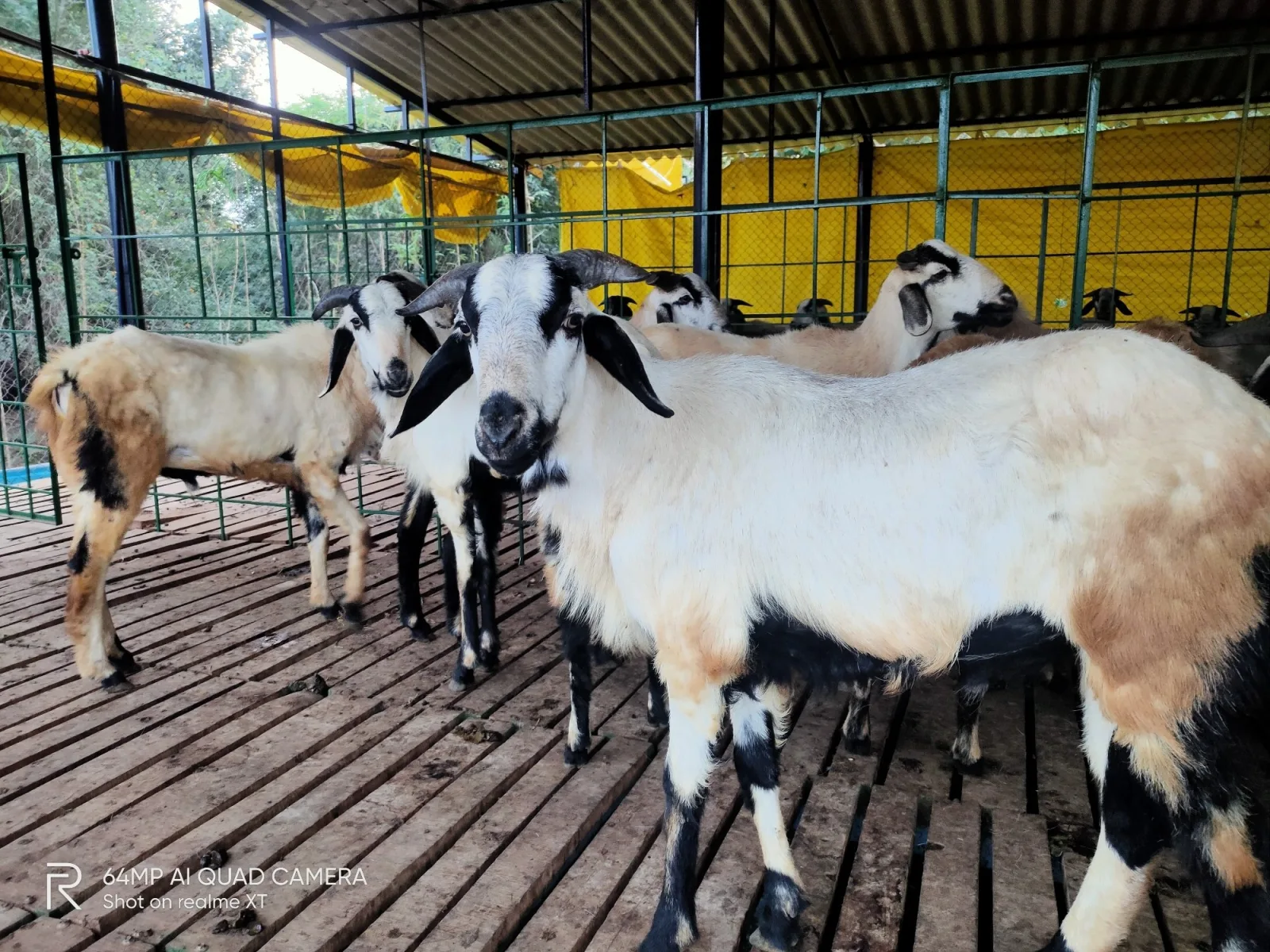 Nellore
Mutton
Nellore
Mutton
Nellore
Andhra Pradesh
India's tallest sheep and a true hair sheep with almost no wool. It is regarded as one of the finest mutton breeds in the country.
Mutton-focused; no commercial wool
View DetailsNeed course guidance?
Our team is ready to help you choose the right training program.